Table Of Content

Demi-permanent and semi-permanent dyes work best on wet hair, as well as other temporary dyes. To ensure the best results, make sure to use the right products and understand the pH scale. In the world of hair dye, there are various factors to consider before making a decision on whether to apply colour on wet or dry hair. Some benefits of dyeing wet hair include a more even distribution of colour and a faster, more comfortable process as the hair is damp and easier to manage. Direct dye is another term for semi-permanent hair color.
Prevents Full Absorption Of Dye
The dryer your hair, the better the results will be if you really need to dye your hair, while it is wet. And, you will need to make use of a high-quality hair dyeing color, before you will see any difference to your hair. Just like when you are dyeing your hair dry, dyeing your hair while wet too often can result in irreparable damage. You should wait a minimum of a month before you dye your hair again to give it time to recover.
My Epic Hair-Breakage Disaster Shows the Risk of Bleaching Too Much - Allure
My Epic Hair-Breakage Disaster Shows the Risk of Bleaching Too Much.
Posted: Thu, 09 Jul 2020 07:00:00 GMT [source]
What works for me that I can realistically achieve at home?
Below is a list of the most commonly asked questions by many like you. Although, there are also benefits to dyeing your hair while it’s wet. As you prepare to dye your hair while wet, make sure to carefully read and follow the instructions specific to your chosen dye treatment. We spoke to two experts to determine how to dye wet hair, what types of products work best, and how to maintain all that gorgeous color if you take the plunge. In conclusion, dyeing hair when wet has its advantages and disadvantages.
Don’t Shampoo Your Hair Before Dyeing It
To be honest, it really depends on the formula of the hair dye you’re using. Some dyes can be applied to wet hair, while others work best on dry hair. In short, you can dye hair wet or dry, depending on which dye you are using. While neither I nor any stylist would recommend using any sort of permanent box dye, if you are going to do so, apply the permanent box dye to DRY hair.

More Absorbent
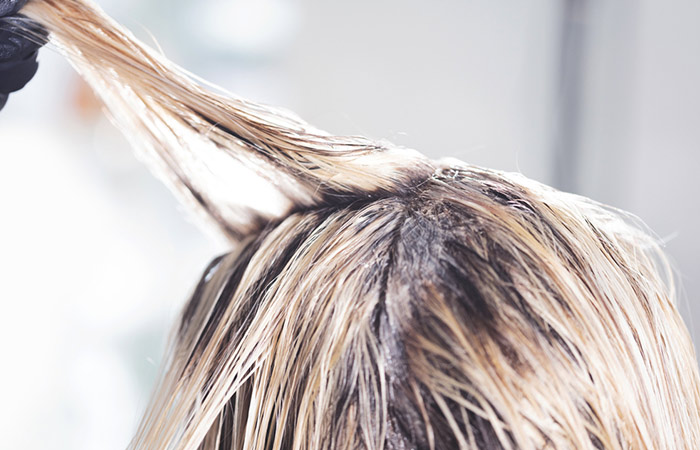
Instead of using permanent hair dye on dry hair, try these. Get tips on the best products and techniques to achieve the perfect color in the following video. Other temporary dyes that are safe on your wet hair include pastel-hued, bright pink, and other highlighters. If you want to dye wet hair, you can either follow the manufacturer’s instructions on the packaging or these steps.
Blue Shampoo for Blonde Hair: Everything You Need to Know (
Always consider the dye formula and desired result before proceeding with the wet dyeing method. Dyeing wet hair may also expose your hair to more damage. Our hair’s cuticles are a bit more open, which can leave our hair more prone to being damaged by the chemicals in the dye.
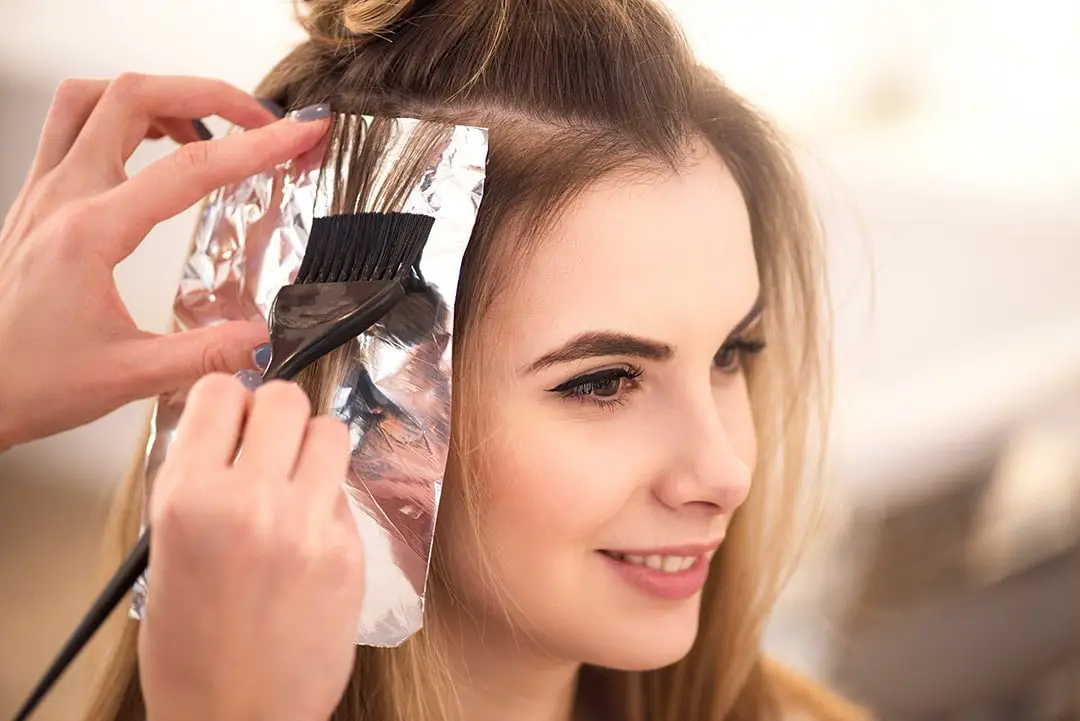
Step 3 – Apply the hair dye based on the package instructions
Discover the magic of damp hair when coloring – it helps distribute color and make semi-permanent dye more vibrant! Understand that wet dyeing works best with careful selection of color and chemical balance, so use a toner to ensure even results. Demi-permanent dye is best for wet hair, as it won’t permeate the cuticle and helps create subtle results. Understand pH balance to get optimal color timing and achieve the best results. Towel drying properly preserves hair structure while preventing water from diluting the dye. If you use permanent hair dye on your wet hair, there’s a very good chance that your hair will face irreversible damage.
Semi-permanent Hair Dye
If you’re trying to go darker with permanent hair color, you will want the more even color application that dry hair can provide. While you should always trust your stylist when it comes to hair color, I hope to shed some light on their thought process. The biggest factor when it comes to whether you should dye your hair wet or dry is the formula of the dye.
Should Your Hair Be Dry When You Dye It?
This means you would not need to use as much product as you typically would. In case you are big on using products until the very last drop, you may not appreciate putting pigment on wet hair. After you have applied the dye, follow the recommended processing time on the packaging.
Not only do they know the best techniques for dyeing hair, they also have the knowledge to pick a hair color that best suits your skin tone. The wet hair helps distribute the dye evenly, improves the absorption of color pigments, and reduces chemical damage as it requires less quantity of dye. However, due to their chemical composition, permanent hair dyes would not work well on wet hair. Dyeing wet hair is ideal for people who wish to color their hair but are afraid of the damage it may cause. Follow the instructions and tips discussed above to dye your wet hair at home.
The pigment covers the gray hair, makes the hair more beautiful and brighter. To achieve the desired result is often very difficult, especially at home. These colors do not stay on hair for long and can only last up to about five washes. While moisture acts as a good protective barrier to the chemical damage caused by dyes, it dilutes the dye making less effective.
Semi-permanent hair color lasts anywhere from 4-12 washes, depending on the concentration and vibrancy of the color. "Most semi-permanent hair colors can be applied to dry hair for a more intense color deposit, and on damp hair for a more sheer result," says Kusero. "Examples of semi-permanent hair color include direct dyes, color tinted conditioners, and hair glazes."
If you opt for radiant or more vibrant hair color, depositing these intense colors much different than your color may result in an uneven or washed-out look. While it’s technically possible, it’s generally not recommended. And when you dye wet hair, the water can dilute the dye, making the color appear lighter and less vibrant than you intended. Permanent hair dyes contain ammonia and hydrogen peroxide.
As the amount of ammonia is less than permanent dyes, they do not penetrate deeper into the shafts. The results are temporary but may last longer than semi-permanent dyes. You can dye wet hair, but not all hair colors will work on wet hair. If you’ve ever gotten your hair colored, chances are your stylist started applying the color before washing (or cutting) your hair.
However, like the semi-permanent type, most pigments might get washed out with water, resulting in a dull and uneven color. If you are looking for a quick and easy way to add some temporary color to your hair, then temporary hair color products are a great alternative to dyeing wet hair. Hopefully, you can answer the question “Can you dye wet hair” after scanning through our post. Consult your hair colorist and choose the right hair dye specialized for your locks.
Allow it to sit for 40 minutes before assessing whether the results are satisfactory. Some experts even recommend purposefully dyeing damp hair to help bring creative hair styling ideas to life. After dyeing your hair, do your best to wait 72 hours before washing it. The hair cuticle will fully close in about 72 hours after the color application. Wetting the hair prematurely could cause the color to fade faster.